Search
Close this search box.

Latest News

What are common changes to your eyes as you age photo of eyes

What are Common Changes to Your Eyes as You Age?

While many things tend to get better with age, unfortunately, your vision is not one of them. Almost everyone will experience some common vision problems as they get older – like losing the ability to read clearly or focus up close. And some eye diseases, like macular degeneration or glaucoma, are more likely to affect people as they get older.

Read More
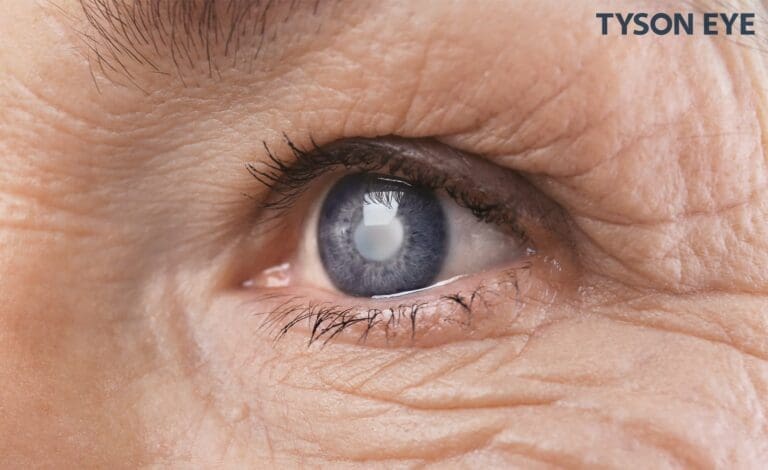
an eyeball showing What is a cataract?

What is a Cataract and How is it Treated?

Cataracts are a very common eye condition in which protein builds up on the lens of the eye, clouding the lens and making it hard to see clearly. Over 24.4 million Americans age 40 and older have cataracts, and, by age 75, approximately half of all Americans have a cataract. Age is the number one risk factor for developing cataracts, although there are other

Read More
Woman exercising showing why vision care is important to overall health

Why Vision Care is Important for Overall Health

You may have heard the expression that “the eyes are the windows to the soul”, but they are also windows to your overall health. While regular eye exams are crucial to protecting your vision and preventing, identifying, or treating eye disease, they can also detect a number of health conditions early even before you start showing symptoms. Early Detection of

Read More
How Often Should You Get an Eye Exam

How Often Should You Get an Eye Exam?

Getting a regular eye exam is as important to your health as getting your annual physical or seeing the dentist, but some people only get their eyes examined when they are experiencing vision problems. Many eye diseases, such as glaucoma and macular degeneration, may not have any symptoms until you start experiencing vision loss. If these conditions are caught early

Read More
Glasses to show the Importance of Yearly Routine Eye Exams

The Importance of Yearly Routine Eye Exams

Comprehensive regular eye exams with dilation are vital for your overall health and well-being. You may not think of scheduling an eye exam unless you are having vision problems or irritating symptoms, but a yearly eye exam with the expert eye doctors at Tyson Eye can help protect your vision and prevent eye health problems in the future. Don’t underestimate

Read More
Lady understanding he Correlation Between Diabetes and Eye Disease

The Correlation Between Diabetes and Eye Disease

If you have diabetes, it’s important to understand that you are at a higher risk for certain eye diseases that could cause severe vision loss or blindness. November is Diabetic Eye Disease Awareness Month, which was created so that diabetics are aware of the correlation between diabetes and eye disease, and to educate and encourage prevention, early detection, and treatment.

Read More
glasses showing the differences between Farsightedness or Nearsightedness

What’s the Difference Between Nearsightedness and Farsightedness?

During your last routine eye exam your eye doctor may have diagnosed you with a common eye condition, either nearsightedness or farsightedness, but perhaps you aren’t sure exactly what those terms mean, or what causes them. With perfect vision, you should be able to see clearly up close and far away, but if you have nearsightedness or farsightedness those abilities

Read More
a person drinking coffee smiling with the signs of having astigmatism

Signs You Might Have Astigmatism

Astigmatism is a common eye condition in which the front surface of the eye known as the cornea, or the lens inside the eye has mismatched curves. A healthy eye is perfectly round, like a ball, and when light enters the eye it is refracted evenly to create a single, sharp image. When an eye has astigmatism, it is shaped

Read More
a person at a beach, smiling showcasing the best lenses for cataract surgery

Best Lenses for Cataract Surgery

When you have cataracts, the natural lens of your eye becomes cloudy, causing blurred or distorted vision. During cataract surgery, your eye surgeon removes the natural clouded lens of your eye and replaces it with an artificial lens, called an interocular lens (IOL). The new IOL will be clear and free of the clouding that has been blurring your vision.

Read More

Categories

Archives