
Cataracts are one of the most common causes of vision loss, affecting millions of Americans each year. While they develop naturally as we age, many people don’t realize how gradually cataracts can impact everyday life until simple tasks like driving, reading, or recognizing faces become more difficult.
The good news is that cataract surgery is one of the safest and most successful procedures performed today, helping patients regain clearer vision and improve their quality of life.
What Is a Cataract?
A cataract occurs when the eye’s natural lens becomes cloudy. Instead of allowing light to pass clearly through the lens, the clouding causes vision to become blurred, dull, or distorted.
Although aging is the most common cause, cataracts can also develop due to:
- Diabetes
- Previous eye injuries
- Long-term steroid medication use
- Excessive UV exposure
- Smoking
- Family history
Because cataracts usually develop slowly, many people don’t notice the changes right away.
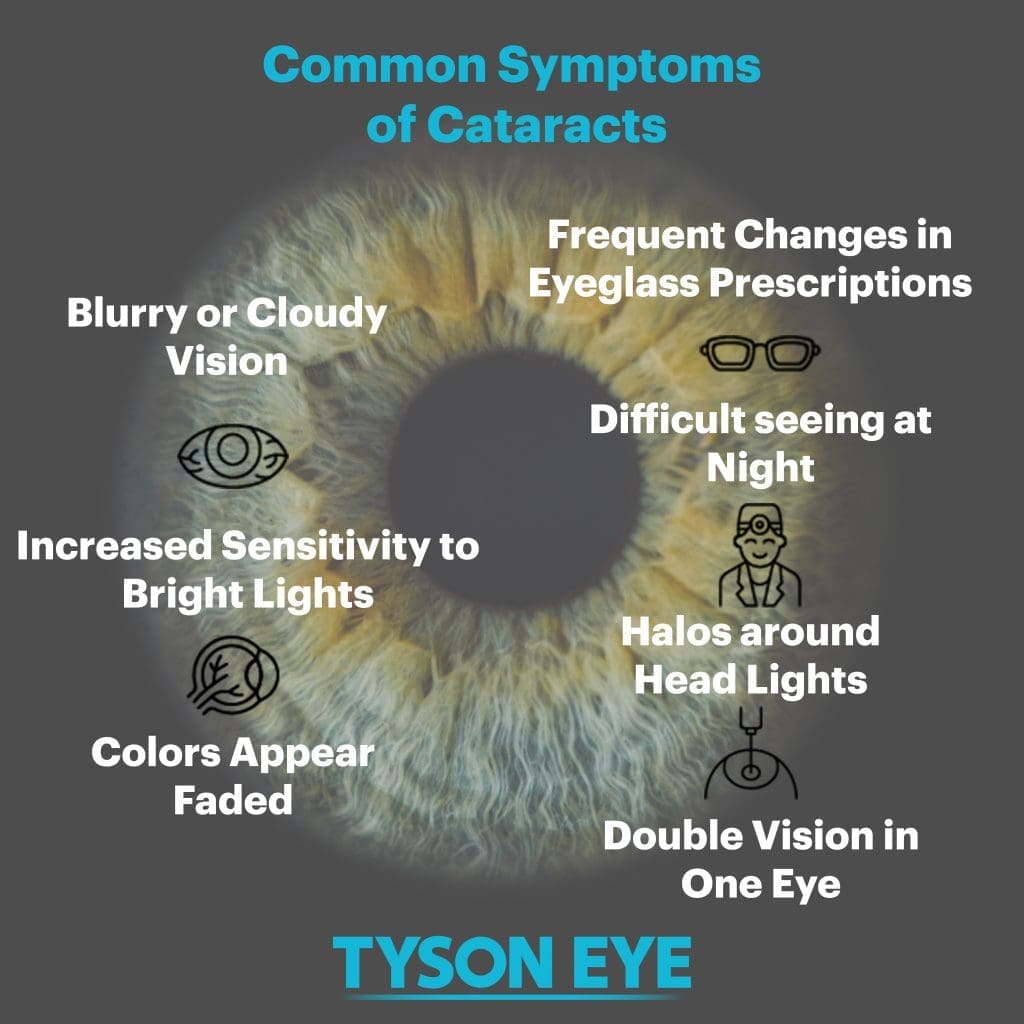
Common Symptoms of Cataracts
As cataracts progress, you may notice:
- Blurry or cloudy vision
- Difficulty seeing at night
- Increased sensitivity to bright lights or glare
- Halos around headlights or streetlights
- Colors appearing faded or yellow
- Frequent changes in your eyeglass prescription
- Double vision in one eye
If these symptoms begin interfering with your daily activities, it’s time to schedule a comprehensive eye examination.
When Is the Right Time for Cataract Surgery?
Many patients ask, “Should I wait until my cataracts are severe?”
The answer is no.
Today, cataract surgery is based on how much your vision affects your lifestyle—not simply how “ripe” the cataract is. If cataracts are making it difficult to drive, work, read, enjoy hobbies, or spend time with family, surgery may be an appropriate option.
Early evaluation allows your ophthalmologist to discuss your vision goals and determine the best treatment plan.
What Happens During Cataract Surgery?
Cataract surgery is an outpatient procedure that typically takes less than 30 minutes.
During the procedure:
- The cloudy natural lens is carefully removed.
- It is replaced with a clear artificial intraocular lens (IOL).
- Patients return home the same day.
- Most people notice improved vision within a few days, with continued healing over the following weeks.
The procedure is performed using advanced microsurgical techniques and has an excellent success rate.
Choosing the Right Intraocular Lens (IOL)
One of the advantages of modern cataract surgery is the ability to customize your vision with different lens options.
Depending on your eyes and lifestyle, your surgeon may recommend lenses designed to:
- Improve distance vision
- Reduce dependence on glasses
- Correct astigmatism
- Provide a greater range of vision for both near and far activities
Your ophthalmologist will discuss which option best fits your individual needs and expectations.
Benefits Beyond Clearer Vision
Many patients are surprised by how much cataract surgery improves their daily lives.
Benefits often include:
- Sharper, brighter vision
- Better night driving
- Reduced glare from sunlight and headlights
- Improved color perception
- Greater independence during everyday activities
- Increased confidence and overall quality of life
Patients frequently say they didn’t realize how much vision they had lost until after surgery.
Don’t Wait Until Cataracts Limit Your Life
Cataracts don’t have to keep you from enjoying the activities you love. If you’ve noticed blurry vision, increased glare, or difficulty with everyday tasks, a comprehensive eye exam can determine whether cataracts are affecting your vision.
At Tyson Eye, our experienced cataract specialists use advanced diagnostic technology and modern surgical techniques to provide personalized care for every patient. We’ll guide you through every step of the process—from diagnosis to recovery—so you can feel confident about your vision and your treatment options.
If you’re experiencing symptoms of cataracts or it’s been a while since your last eye exam, schedule a consultation with Tyson Eye and learn how clearer vision may be closer than you think.